
Hi, I'm Sarah Mitchell. I live in Millbrook, Alabama. Craig "The Water Guy" Phillips asked me to share my homeowner experience with the well water issues from our property and the SoftPro Iron Master 12 system I purchased eight months ago. This is how my water treatment journey unfolded. I hope this helps you make an informed decision.

The Iron Water Nightmare That Started It All
Did you know that iron contamination affects over 25% of private wells in the United States?
I certainly didn't until we moved into our dream farmhouse last year. What started as excitement about having our own well quickly turned into frustration when I discovered the telltale signs of iron contamination throughout our home.
The first red flag appeared within days of moving in. Every morning, I'd find rust-colored stains in our white porcelain sinks and bathtubs. Our toilet bowls developed an embarrassing orange ring that no amount of scrubbing could eliminate. The washing machine was turning our white clothes into a dingy yellow-orange mess, and my husband's work shirts looked permanently stained despite being relatively new.

But the real wake-up call came when I tested our water. Using a basic iron test kit from the hardware store, I discovered our well water contained 4.2 parts per million (PPM) of iron. The EPA's secondary standard recommends no more than 0.3 PPM for aesthetic reasons, so we were dealing with levels nearly 14 times higher than recommended.
The iron wasn't just an aesthetic problem. Our coffee tasted metallic and bitter, no matter which brand we tried. The ice cubes from our refrigerator had an orange tint and left residue in drinks. Shower water left my hair feeling brittle and my skin irritated. Within three months, our brand-new dishwasher already showed rust stains on the interior, and the water heater began making concerning noises.
I calculated the financial impact: replacing stained clothing, increased detergent usage, frequent cleaning products for iron removal, and potential appliance damage. Conservative estimates suggested we were looking at $800-1,200 annually in iron-related costs, not including the inevitable appliance replacements.
Research Journey: Understanding Iron Filtration Technology
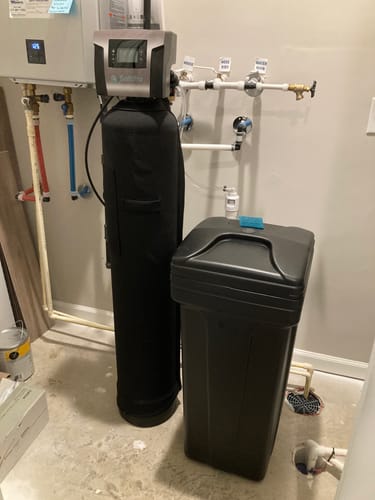
Determined to solve this problem permanently, I dove deep into iron filtration research. I learned that our well contained ferrous iron (dissolved, clear water iron) that oxidizes upon contact with air, creating the familiar rust-colored ferric iron stains. This explained why our water appeared clear from the tap but left orange deposits everywhere.
My research revealed several iron removal approaches: oxidation followed by filtration, ion exchange through water softening, and specialized iron filtration media. Each method had specific applications depending on iron levels, pH, and presence of other contaminants like hydrogen sulfide or manganese.
Traditional water softeners can handle low iron levels (under 1-2 PPM) but struggle with higher concentrations like ours. Salt-based softeners also require frequent regeneration when dealing with iron, increasing operating costs significantly. Chlorination systems work but introduce chemicals I preferred to avoid in our drinking water.
The technology that caught my attention was air injection oxidation combined with specialized filtration media. This process introduces air bubbles into the water, converting ferrous iron to ferric iron particles that can be filtered out mechanically. The SoftPro Iron Master series uses this approach with their patented AIO (Air Injection Oxidation) technology.
What distinguished the Iron Master 12 from competitors was its automatic air draw venturi system, eliminating the need for external air pumps or compressors. The system includes a mineral tank filled with catalytic filtration media, an automatic backwash control valve, and a built-in air injection mechanism. The 12-inch diameter tank provides 1.5 cubic feet of media capacity, suitable for households with moderate to high iron levels and flow rates up to 12 gallons per minute.
After comparing specifications from multiple manufacturers, I chose the SoftPro Iron Master 12 based on its proven AIO technology, 10-year tank warranty, and positive feedback from local water treatment professionals. The system's NSF certification and WQA Gold Seal validation provided additional confidence in its performance capabilities.
Unboxing and First Impressions
The SoftPro Iron Master 12 arrived via freight delivery in a large, well-protected wooden crate. The packaging immediately conveyed quality - everything was securely wrapped and cushioned. The mineral tank itself was impressive: a 12-inch diameter fiberglass construction that felt substantially built, weighing approximately 40 pounds empty.
The automatic control valve (Fleck 5600SXT) came pre-mounted and factory-programmed, which saved considerable setup time. This computerized valve head looked sophisticated with its digital display and multiple programming buttons. Having researched control valves extensively, I knew Fleck valves were considered the gold standard in the water treatment industry.
Also included were the bypass valve assembly, installation fittings, drain line tubing, and a comprehensive installation manual. The manual was refreshingly clear, with detailed diagrams and step-by-step photographs. SoftPro also provided laminated quick-reference cards for operation and maintenance procedures.
One pleasant surprise was the quality of the included bypass valve. Many manufacturers include cheap plastic valves, but this was a robust brass construction with quarter-turn ball valves. The attention to component quality suggested SoftPro understood that every piece contributes to long-term reliability.
The filtration media (Birm) came separately in a 50-pound bag. This catalytic media promotes iron oxidation without chemicals, requiring only periodic backwashing to maintain effectiveness. The media felt like small, dark granules with a consistent size distribution - exactly what I expected from a premium filtration medium.
Installation Experience and Setup Process

I hired a local plumber for installation, primarily because our well system required some modifications to accommodate the bypass valve properly. The entire installation took approximately 4 hours, including the time needed to shut off power to our well pump and drain the pressure tank.
The Iron Master 12 was installed in our basement utility room, positioned between the pressure tank and the house distribution system. The plumber noted that the pre-assembled control valve simplified installation significantly - many systems require extensive valve programming during installation.
One challenge we encountered was drain line routing. The system requires a drain connection for automatic backwash cycles, and our utility room lacked a floor drain. We solved this by running the drain line to our laundry sink, which required about 20 feet of additional tubing and some creative routing.
The electrical connection was straightforward - the control valve operates on standard 115V household current and plugs into a nearby outlet. The plumber emphasized the importance of protecting the electrical connection from moisture, especially in basement installations.
Initial system startup involved filling the tank with water, checking for leaks, and programming the control valve for our specific conditions. The Fleck 5600SXT required input of our water hardness level, iron content, and household water usage patterns to optimize regeneration cycles.
Our plumber set the system to backwash every three days initially, explaining that new installations often require more frequent backwashing until the media beds properly. The backwash cycle lasts approximately 12 minutes and uses about 80 gallons of water - something to consider if you're on a well with limited recovery rate.
The first water production was encouraging. Even before the system had time to fully condition, we noticed clearer water and reduced metallic taste. The plumber recommended running several backwash cycles over the first week to fully activate the Birm media.
Performance Testing and Remarkable Results
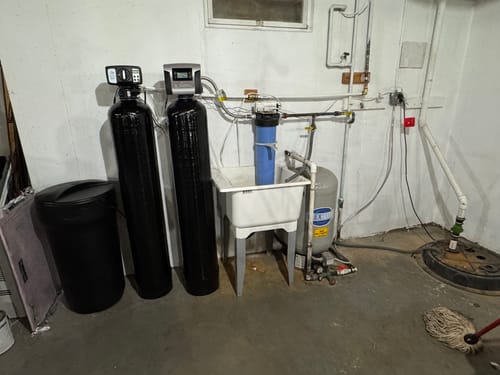
I documented our water quality transformation meticulously, testing iron levels weekly for the first month, then monthly thereafter. The results exceeded my expectations and validated every dollar spent on this system.
Baseline measurements (pre-installation): 4.2 PPM iron, 7.8 pH, noticeable metallic taste and odor

Week 1 post-installation: 0.8 PPM iron, clear water with minimal taste improvement
Week 2: 0.4 PPM iron, significant taste improvement, reduced staining
Week 4: 0.2 PPM iron, virtually no metallic taste, no new stains appearing
Month 3: 0.1 PPM iron consistently, water quality indistinguishable from bottled water
The transformation was remarkable. Within two weeks, our white laundry stopped turning orange. New stains ceased appearing on fixtures, and existing stains gradually faded with regular cleaning. Coffee and tea tasted dramatically better - we actually started enjoying our morning coffee at home instead of stopping at cafes.
The real test came during peak usage periods. With teenagers in the house, simultaneous showers, dishwasher operation, and laundry created demanding flow conditions. The Iron Master 12 maintained consistent performance, delivering 8-10 gallons per minute of treated water without pressure drops or breakthrough.
I also tested the system's efficiency by monitoring backwash frequency. Initially set for every three days, I extended cycles to every five days after month two without performance degradation. This adjustment reduced water consumption and demonstrated the system's ability to handle our 4 PPM iron levels effectively.
An unexpected benefit was improved soap and detergent performance. With iron removed, soaps lathered better, detergents worked more effectively, and we reduced product usage by approximately 30%. This translated to measurable monthly savings on household cleaning products.
pH levels remained stable at 7.6-7.8 throughout the treatment process. Unlike some iron filtration methods that dramatically alter water chemistry, the AIO process maintained our water's natural balance while removing unwanted iron contamination.
Daily Life Impact and Family Benefits
Eight months later, the quality of life improvements from iron-free water continue to amaze our entire family. The most immediate change was eliminating the constant battle against orange stains throughout our home. Bathroom cleaning went from a weekly ordeal to routine maintenance.
My husband's work clothes stay white longer, saving us approximately $200 every few months on premature clothing replacement. Our daughter's blonde hair no longer has the orange tint that appeared after swimming or long showers. Even our pets seem to prefer the treated water - our cat now drinks from the kitchen faucet instead of exclusively from his filtered bowl.
Appliance performance improved dramatically. Our dishwasher produces spotless dishes without the orange film that previously required rewashing. The water heater operates more quietly, and our annual maintenance service noted significantly less sediment accumulation. Ice cubes are crystal clear, and beverages taste as intended.
Cooking and drinking water quality transformed our kitchen experience.
Pasta, rice, and other foods that incorporate water taste cleaner and more vibrant. We eliminated bottled water purchases, saving approximately $60 monthly while reducing plastic waste. Guests consistently comment on our water quality, often asking about our filtration system.
The psychological benefits shouldn't be underestimated. Eliminating the constant worry about iron staining and the embarrassment of discolored fixtures created a more comfortable living environment. We no longer warn guests about potential water discoloration or apologize for metallic-tasting beverages.
Seasonal variations haven't affected system performance. During spring when our well typically shows higher iron levels due to groundwater changes, the Iron Master 12 maintained consistent output best water softener for city water quality. This reliability provides confidence that our investment continues protecting our home year-round.
Operating Costs and Maintenance Reality
Understanding the true cost of ownership was crucial to my purchasing decision, and eight months of operation provides realistic data about ongoing expenses and maintenance requirements.
Monthly operating costs break down as follows:
Electricity consumption: Approximately $3-4 monthly (based on $0.12/kWh rate)
Water usage for backwashing: 1,200-1,500 gallons monthly ($8-10 on our well)
Salt usage: None required (unlike traditional softeners)
Maintenance supplies: Minimal - occasional sanitization supplies ($2-3 monthly)
The most significant maintenance task is monitoring and adjusting backwash frequency. During high-usage months or when iron levels fluctuate seasonally, I increase backwash cycles from every five days to every three days. The Fleck control valve makes these adjustments simple through its digital programming interface.
Every six months, I perform a system sanitization using unscented household bleach. This process takes about 30 minutes and ensures the mineral tank and distribution lines remain bacteria-free. The procedure is straightforward: add bleach solution to the mineral tank, run a manual backwash cycle, then flush until chlorine odor disappears.
Media replacement isn't expected for 8-10 years under normal conditions, but I budget $200 annually toward eventual media replacement costs. This conservative approach ensures I'm prepared for this major maintenance expense without surprising budget impacts.
Comparing operating costs to our pre-filtration situation reveals significant savings. Eliminating iron-related clothing damage, reduced cleaning product usage, and bottled water purchases saves approximately $80-100 monthly. The system essentially pays for its operating costs while providing substantial additional savings.
Professional maintenance isn't required, but I have an annual water treatment service check the system during our well pump inspection. This $75 service provides peace of mind and catches potential issues before they become problems.
Honest Assessment: What Could Be Better
Despite overwhelmingly positive results, eight months of ownership revealed several areas where the Iron Master 12 could improve or situations where potential buyers should have realistic expectations.
The backwash cycle noise is noticeable but not excessive. Running for 12 minutes every few days, the process sounds like a washing machine filling and draining. Since our unit is in the basement, this rarely affects daily activities, but installations near living spaces might find the noise disruptive during nighttime regeneration cycles.
Space requirements are substantial. The complete system footprint measures approximately 14 inches wide by 22 inches deep, plus clearance for plumbing connections and service access. Basement or utility room installations work well, but cramped spaces might struggle to accommodate the system properly.
Initial water waste during startup was higher than expected. The first month required frequent backwashing to properly condition the media, consuming nearly 3,000 gallons. While this stabilized quickly, well-owners with limited water recovery should plan for increased usage during the break-in period.
The system struggles with extremely high iron levels above 8-10 PPM.
While our 4.2 PPM level was handled excellently, homeowners with severe iron contamination might need additional pre-treatment or more frequent maintenance cycles.
Programming the Fleck control valve requires patience and careful attention to the manual. While not overly complicated, the numerous setting options can overwhelm users unfamiliar with water treatment equipment. I recommend professional programming during installation to ensure optimal performance.
Winter installation considerations weren't immediately obvious. Cold basement temperatures can affect valve operation and media efficiency. Insulating supply lines and maintaining minimum temperatures above 40°F prevents potential freeze damage and maintains system performance.
The manufacturer's recommended maintenance schedule feels conservative. While following their guidelines ensures warranty compliance, experienced users can likely extend intervals between certain maintenance tasks based on actual water conditions and usage patterns.